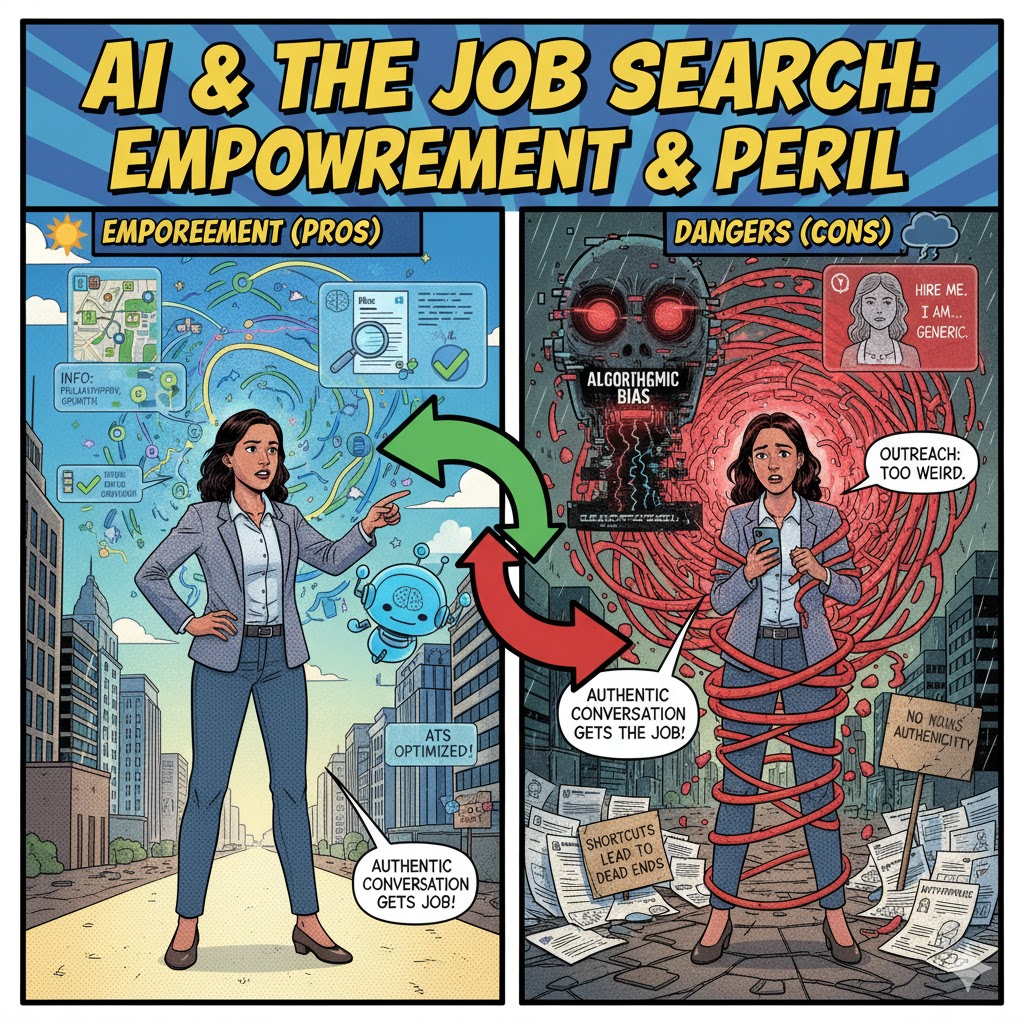
For job seekers, AI offers unprecedented access to information and efficiencies, transforming the way they approach their job search. However, it’s vital to view these tools as enablers for deeper engagement and preparation, rather than shortcuts to bypass genuine effort or misrepresent oneself. The ultimate goal remains securing a conversation and demonstrating authentic value.
Enhancing the Candidate Experience (Pros)
AI tools, when used strategically, can significantly empower a job seeker:
- Intelligent Job Discovery: AI-powered job boards and aggregators can suggest highly relevant roles that align with a candidate’s skills, experience, and even career aspirations, often unearthing opportunities that manual searching might miss. This moves beyond keyword matching to understanding the nuances of a candidate’s profile.
- Deep Company Insights: Candidates can leverage AI to rapidly gather comprehensive intelligence about potential employers. This includes understanding the company’s core industries served, its philanthropic ventures, the services it provides, its market position, and recent news. This knowledge allows candidates to tailor applications and interview answers with an informed perspective, demonstrating genuine interest and alignment with the company’s values.
- Targeted Outreach and Networking: AI can assist in researching key personnel, including hiring managers, and understanding their professional backgrounds. Furthermore, by analyzing a company’s past hiring trends (e.g., through LinkedIn data, as you mentioned), candidates can identify potential “buying tendencies” – patterns in skills or experiences that the company frequently hires for. This intelligence allows for more precise and relevant networking outreach.
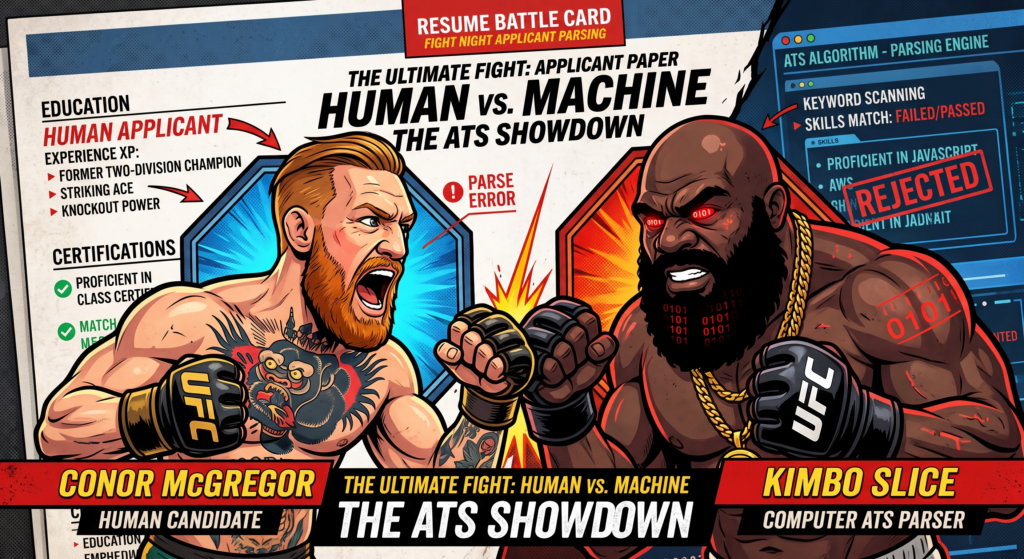
- Application Optimization: AI-driven tools can analyze resumes and cover letters against specific job descriptions, offering suggestions for optimization to pass Applicant Tracking Systems (ATS). This ensures that a candidate’s genuine qualifications are not overlooked due to formatting or keyword mismatches, increasing visibility to human recruiters.
- Interview Preparation: AI can simulate interview scenarios, providing feedback on verbal delivery, body language, and content. This allows candidates to practice and refine their communication skills in a low-pressure environment, building confidence and ensuring they can articulate their strengths effectively when it truly matters.
- Personalized Learning & Skill Development: AI can identify skill gaps based on desired roles and recommend relevant courses or training, empowering candidates to proactively enhance their qualifications and remain competitive.
Challenges and Pitfalls (Cons)
While beneficial, the misuse or over-reliance on AI can introduce significant challenges:
- Risk of Inauthenticity: The biggest pitfall is using AI as a shortcut to generate generic or overly optimized applications and outreach messages. While AI can draft text, if it lacks the candidate’s genuine voice, experiences, and specific insights, it will come across as inauthentic. Recruiters and hiring managers are adept at spotting generic responses, which can be a significant turn-off.
- “Gaming the System” Mentality: Focusing solely on keyword stuffing or generating AI-perfected resumes to beat ATS can lead candidates away from articulating their true value. If a candidate appears perfect on paper but cannot genuinely back it up in conversation, the effort is wasted.
- Information Overload & Misinterpretation: While AI can gather vast amounts of information, a candidate still needs to critically interpret and synthesize it. Simply regurgitating facts about a company or hiring manager without genuine understanding or personal reflection can be counterproductive and even seem intrusive if overdone.
- Overstepping Boundaries in Outreach: Using AI to research hiring managers is valuable, but it requires careful judgment. Outreach should always feel authentic and respectful, focusing on mutual value rather than appearing to have “stalked” their professional history. An overly detailed or presumptuous first contact can damage prospects.
- Loss of Human Touch: An over-reliance on AI to craft every communication can diminish the candidate’s ability to communicate naturally and authentically in real-time. The goal is to secure a conversation, and those conversations require genuine human interaction, not a script.
- False Confidence: Relying too heavily on AI-driven practice interviews without internalizing the feedback and truly understanding one’s own strengths and weaknesses can lead to false confidence. The performance in a real interview situation is what counts, and that comes from self-awareness, not just a practiced script.
Ultimately, the best use of AI for job seekers is to leverage it for informed preparation and efficient discovery. The job itself is secured through genuine conversation, demonstrating authentic skills, experience, and personality. You will get the job, not what you appear to be during the interviews. Understanding what truly brings out the best in you, and using AI to highlight that authentic self, is the path to success.